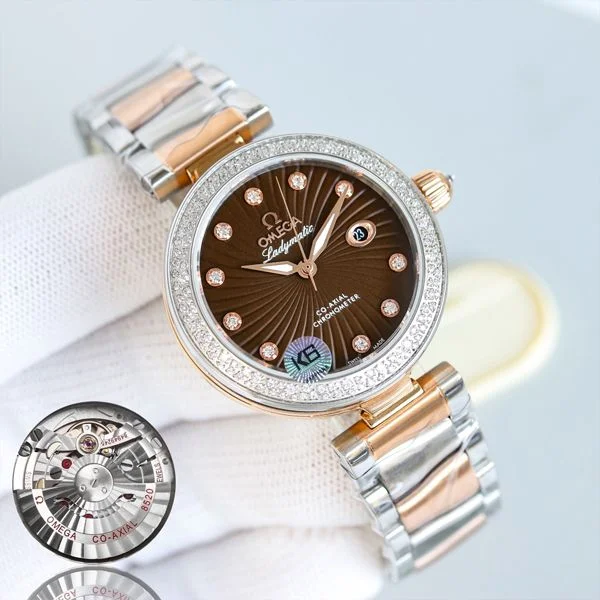
Let’s cut right to the chase. After a week of wearing both, flipping them, and even trying the clasp blindfolded, here is the raw truth.
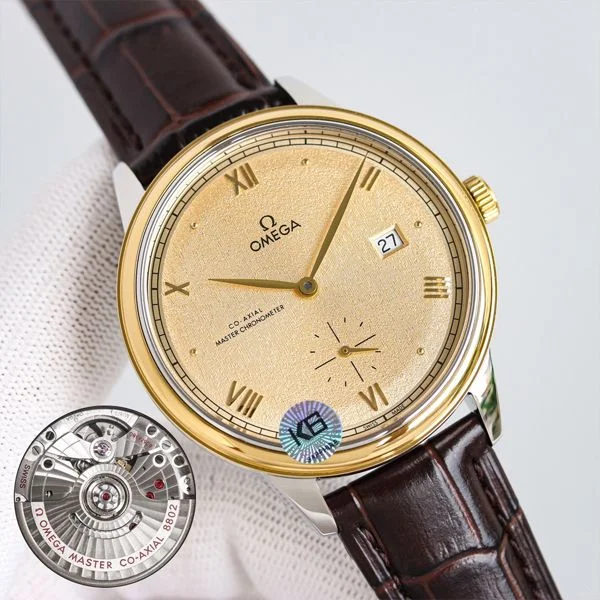
The V7 clone is a stunning piece of work for the money, a real looker from three feet away. But the moment you go to put it on or take it off, the entire illusion shatters. The genuine Omega clasp operates with a silent, hydraulic smoothness. The V7 clone grinds, clicks, and feels like a puzzle piece you’re forcing. In our climate, that difference isn’t just about feel, it’s about function. That grinding grit will collect salt residue from our winter roads, and I guarantee the action will get worse, not better.
The first thing you notice is the weight and the cold slap of steel.
Both watches have it, that dense 316L feel. The real magic happens in the Toronto winter light. My bench faces a big window, and when that low afternoon sun hits, the genuine ceramic bezel does something special. It drinks the light and turns the dial into a deep, layered black. The V7 bezel just sits there, flat and dark. It’s a small thing until you see them side-by-side, then you can’t unsee it.
Forget the box and papers. The real test happens under the loupe.
We’re talking about the details that separate a tool from a toy. Take the seconds hand. On the real Omega, that red tip is a perfect, lume-filled tube sealed flawlessly onto the hand. Under magnification, it’s surgical. The V7? It’s painted. In our harsh daylight or under a shop light, you might not spot it. But once you know, it’s all you see. The genuine watch uses polished white enamel in the bezel numbers for depth. The clone uses paint. After a few seasons of sunscreen, hand sanitizer, and Montreal-style poutine grease? That paint will dull. The enamel will laugh it off.

Now, the heart of the matter, the clasp.
This is where you live with a dive watch. The genuine 300m clasp is a masterpiece of quiet engineering. You push the release buttons, and the butterfly wings open with a single, fluid motion. It’s almost silent. It feels expensive. The V7 clone requires two distinct actions, a push then a separate pull, and it makes an audible *click-clack* metal sound. It feels mechanical in the worst way.
Here is the Canadian reality check.
In February, you are wearing gloves. You are rushing from your car to the mall. You need to check the time. With the genuine clasp, you can operate it through thin leather gloves by feel alone, that smooth action telegraphs through the material. With the V7? Forget it. You are fumbling, pressing hard, and that gritty feedback tells you it’s fighting back. On a patio in summer, your wrist swells. The genuine micro-adjustment lever works with a firm, precise glide to give you that extra half-link of space instantly. The V7 adjuster is stiff, it feels like you might break it, and it never slides as smoothly.
The movement is a whole other conversation.
Omega’s Calibre 8800 is built to laugh at magnetic fields, over 15,000 gauss worth. That means it doesn’t care about your laptop, your speaker system, or the electric motor in your snowblower. The decorated clone inside the V7 looks pretty through the exhibition caseback, sure. But its timekeeping and anti-magnetism are a complete lottery. I have seen them run fast, I have seen them run slow after a day near strong magnets. For a daily wear watch in our modern world full of electronics, that is a genuine problem.

So what is the final call? If you want a picture-perfect replica for your Instagram wrist shot, the V7 will fool most people. But if you want an actual watch, a tool you can put on without thinking in a Calgary blizzard or at a Toronto Maple Leafs game, and have it just work with perfect, silent reliability, there is no comparison. The genuine clasp isn’t just a fastener, it’s the soul of the watch’s daily experience. The clone’s clasp is its biggest tell, and in real Canadian life, that tell screams every single time you use it. Save your money longer, buy the real thing. Your future self, trying to get the watch off with cold fingers, will thank you.